Studies / Projects & Case Studies

Projects & Case Studies

Sites and assemblages studied by Tatiana ANDRÉ. The catalogue brings together studies that can be made public and identifies the framework in which each was undertaken.

01 / Study locations

Mapping the Studies

This map shows studies whose locations can be made public. The full list is available below. Use the zoom buttons or the + and – keys; use the arrow keys to pan the map.

02 / Projects & Case Studies

Principal studies

109,137fish remains studied in the four principal corpora presented here

  • Doctoral research

    18,038 fish remains studied

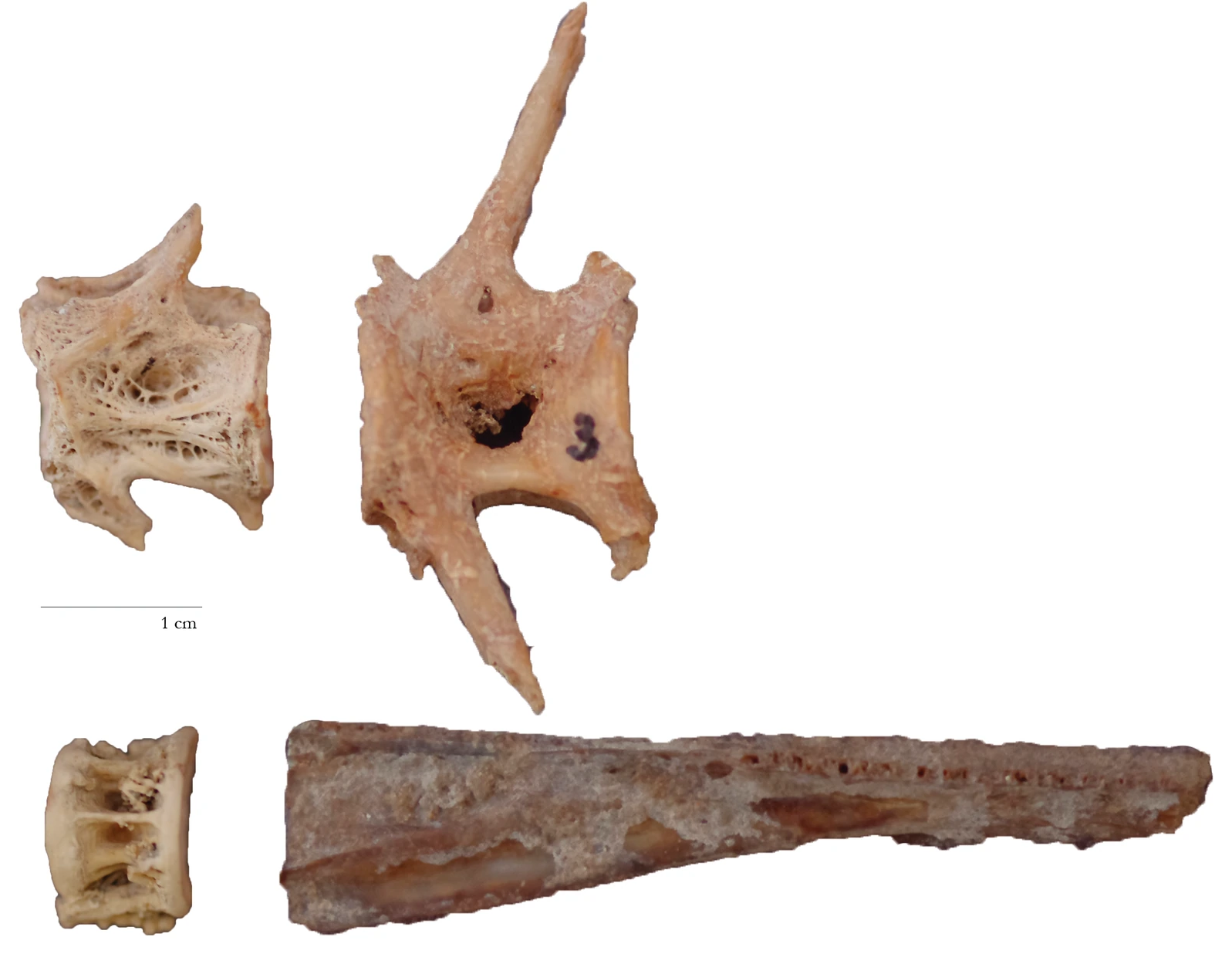
    Archaeoichthyological study of the medieval assemblages from Château d’Hyères, undertaken as part of doctoral research into fishing practices and fish consumption in medieval Provence.
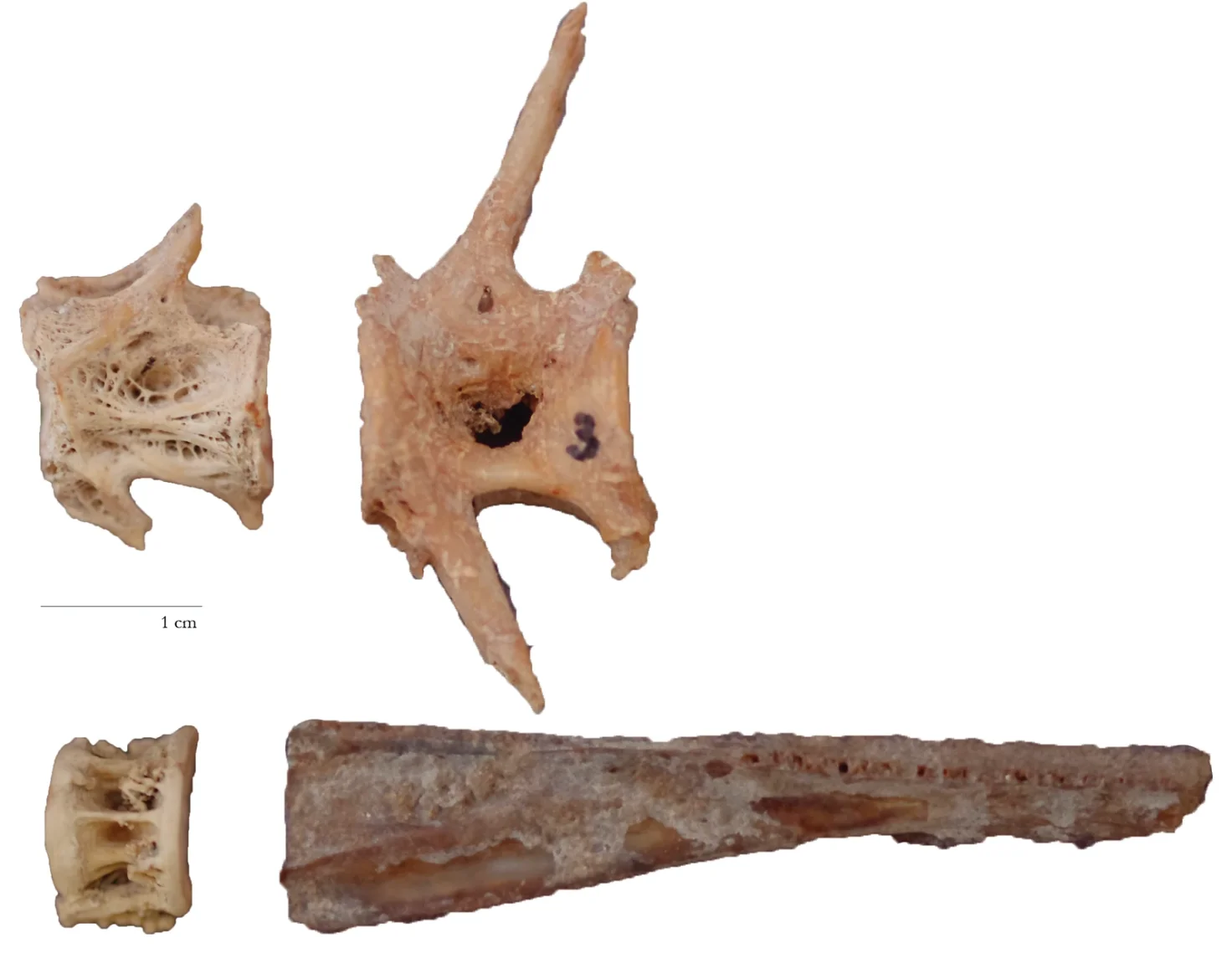
    Plate of vertebrae of different sizes and a sectioned dentary, with scale.

    Different teleost fish vertebrae and a sectioned garfish dentary.

    Enlarge image
    View study
  • Doctoral research

    17,810 fish remains studied

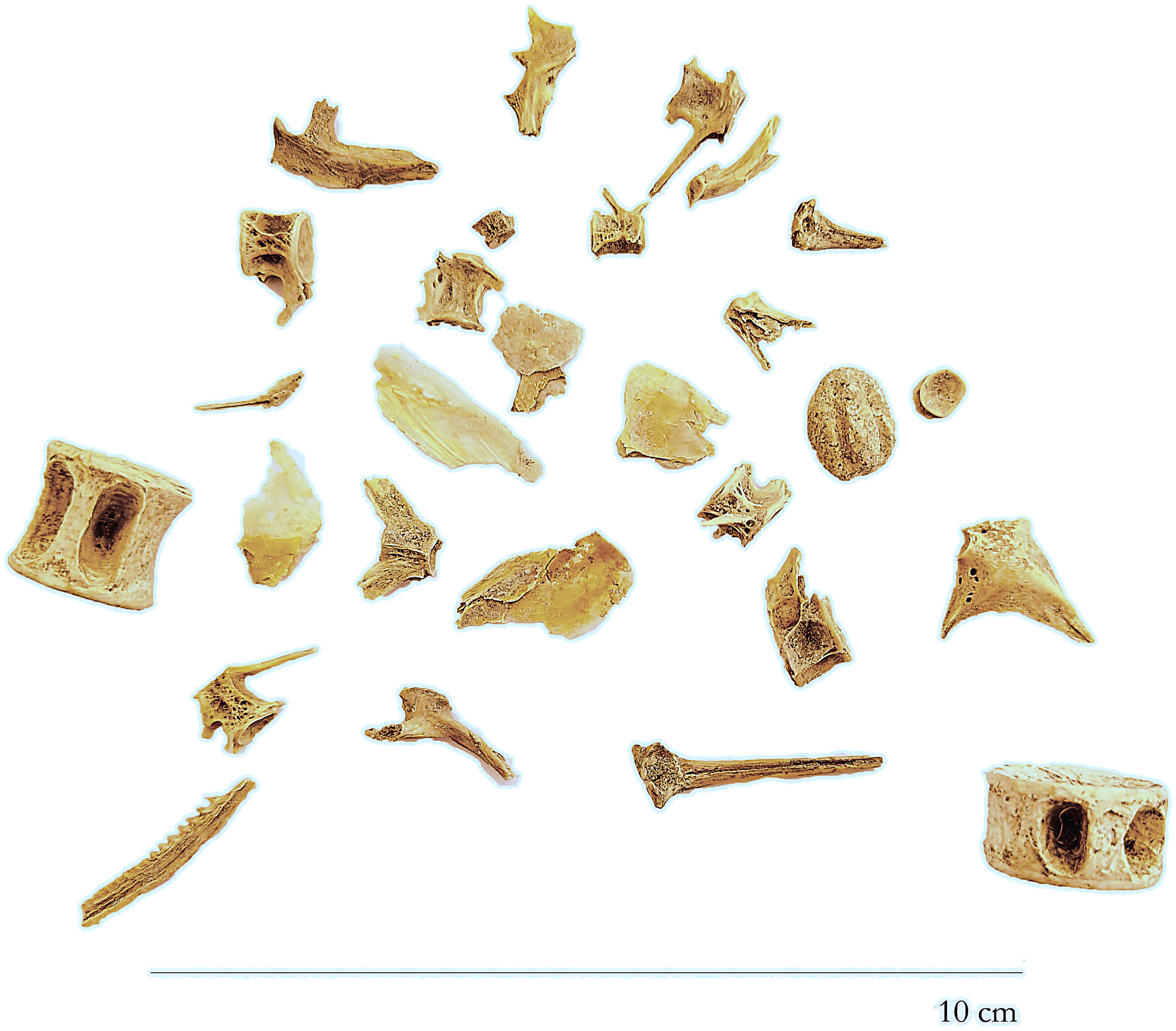
    Archaeoichthyological study of the medieval assemblages from Habitat Mistral II in Fos-sur-Mer, examining the acquisition, processing and consumption of aquatic resources.

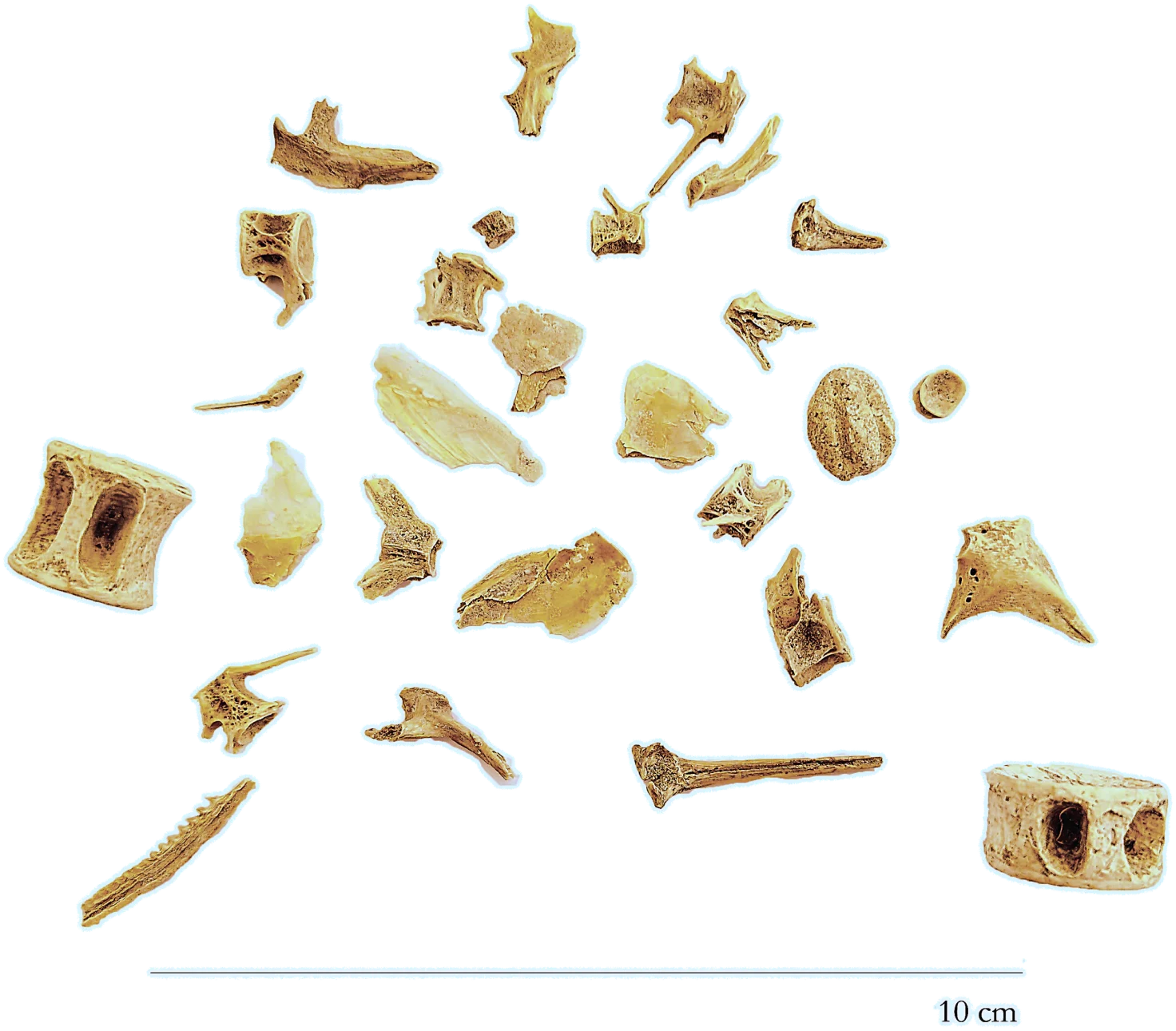
    Plate of anatomical fish remains showing different states of preservation, with scale.

    Preservation of different anatomical elements and species of bony and cartilaginous fish.

    Enlarge image
    View study
  • Doctoral research

    73,001 fish remains studied

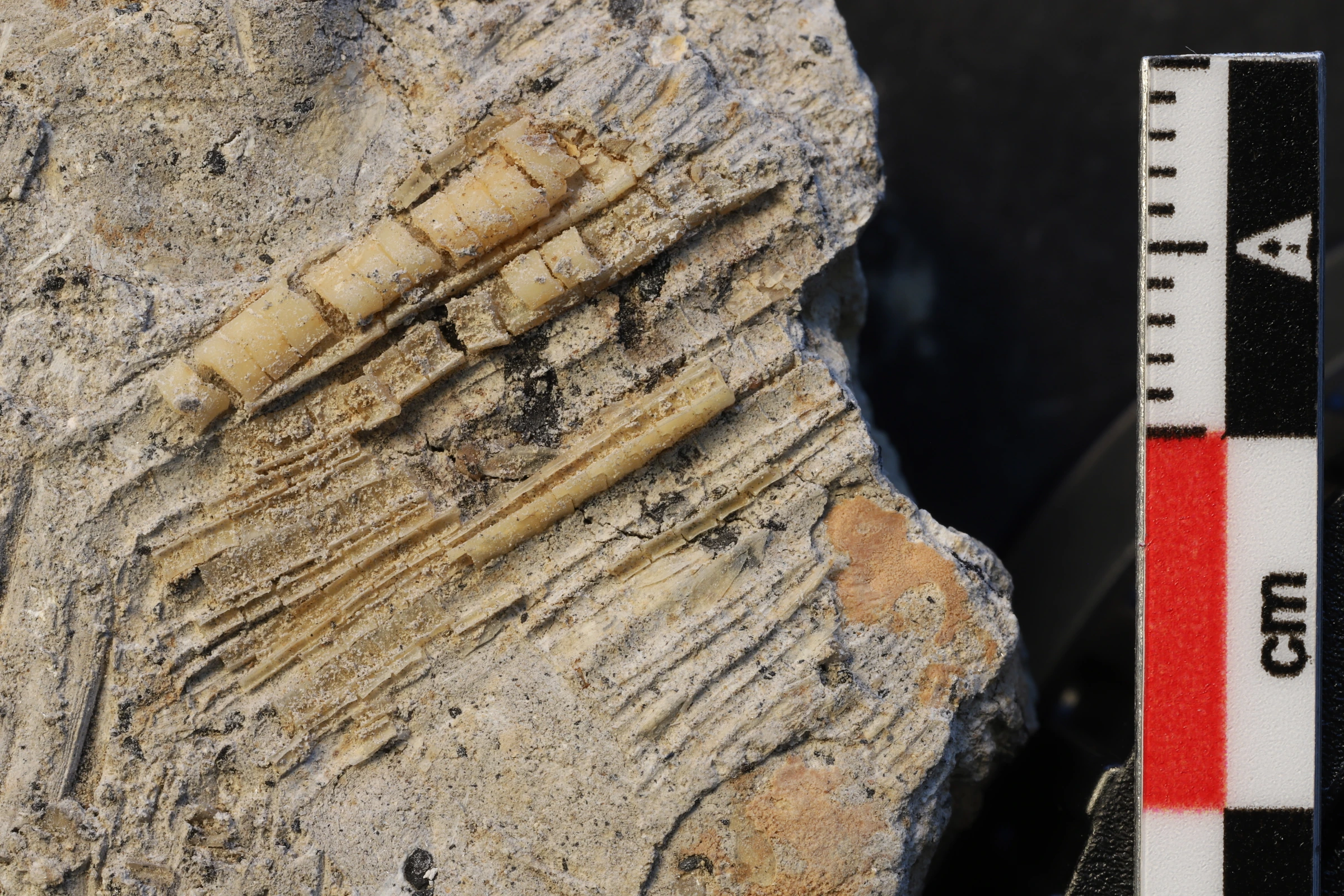
    Archaeoichthyological study of the medieval assemblages from Place de l’Olivier in Marignane, contributing to research on fishing practices and the consumption of aquatic resources in medieval Provence.

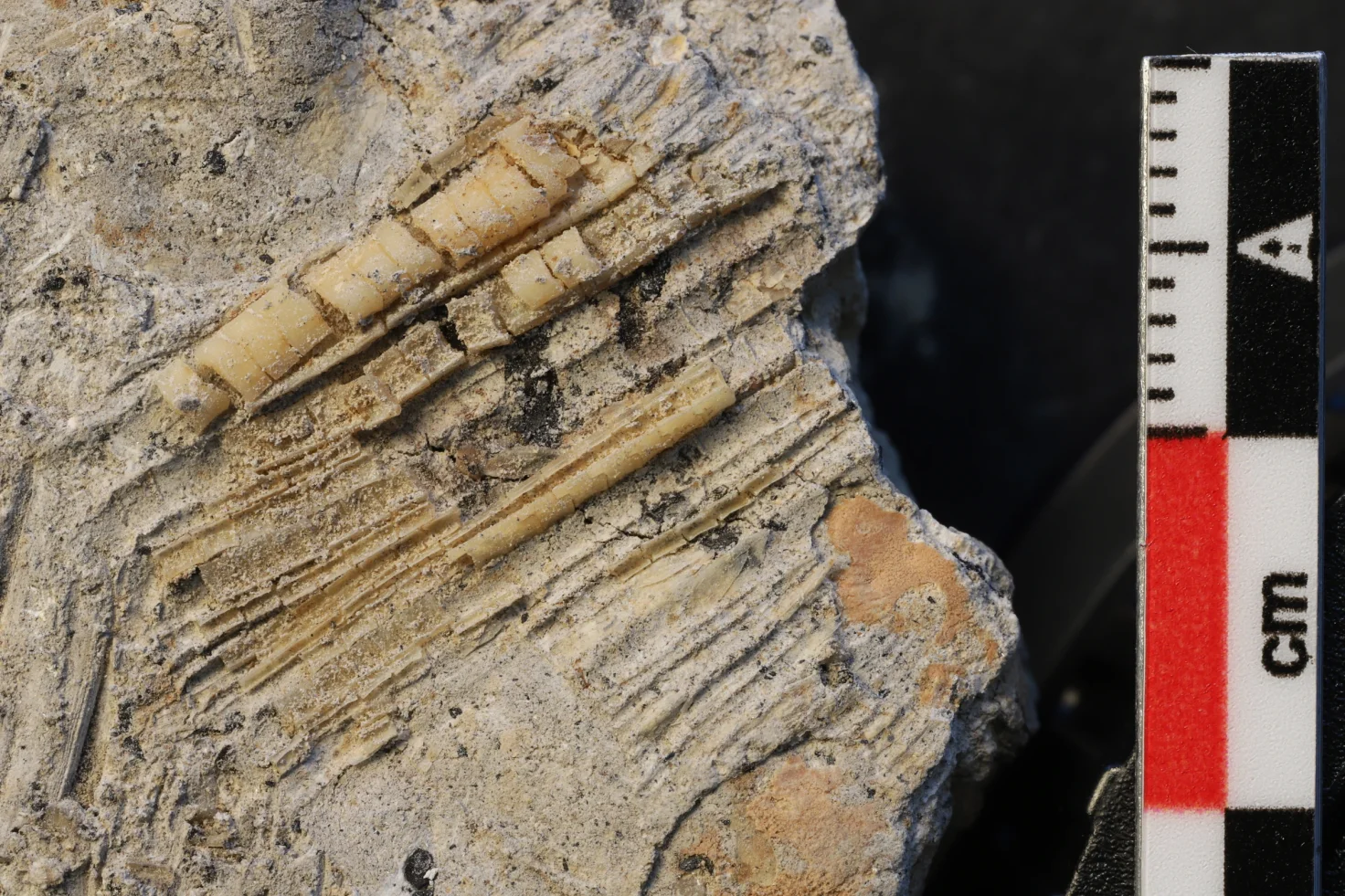
    Fin elements and scales preserved in sediment, with a centimetre scale.

    Caudal fin and scales preserved in situ in context US 499, Place de l’Olivier, Marignane.

    Enlarge image
    View study
  • Doctoral research

    288 fish remains studied

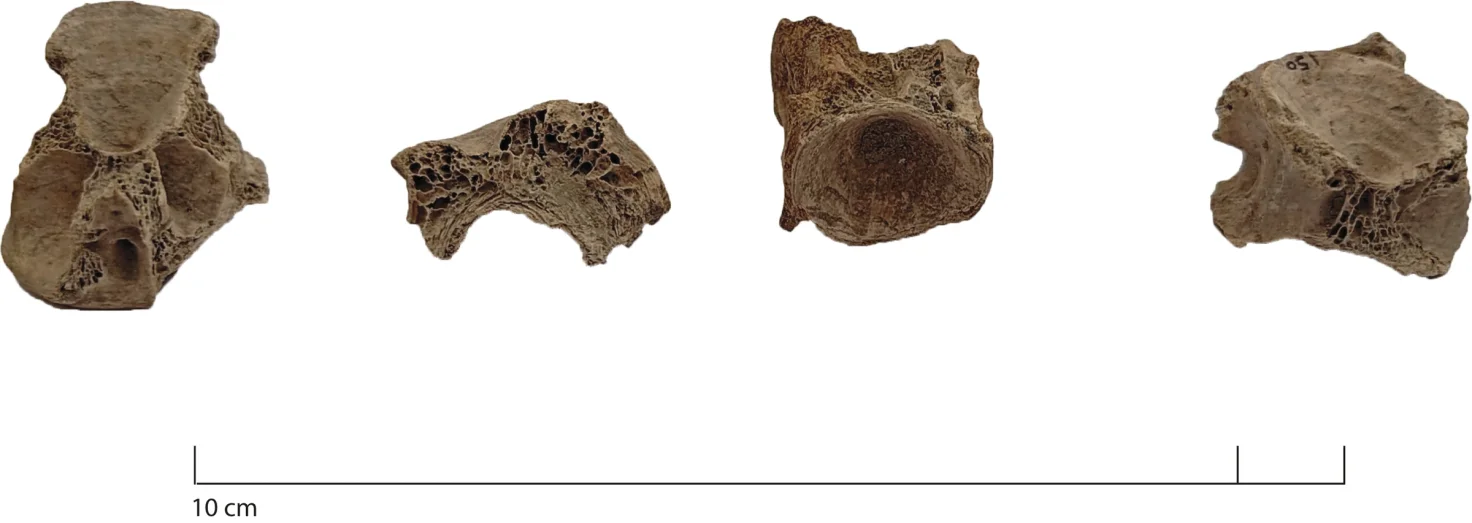
    Study of 288 fish remains from Parking Mignet, Couvent royal des Dominicaines de Notre-Dame-de-Nazareth: microscopic observation, remains at different scales and cut marks on large fish.

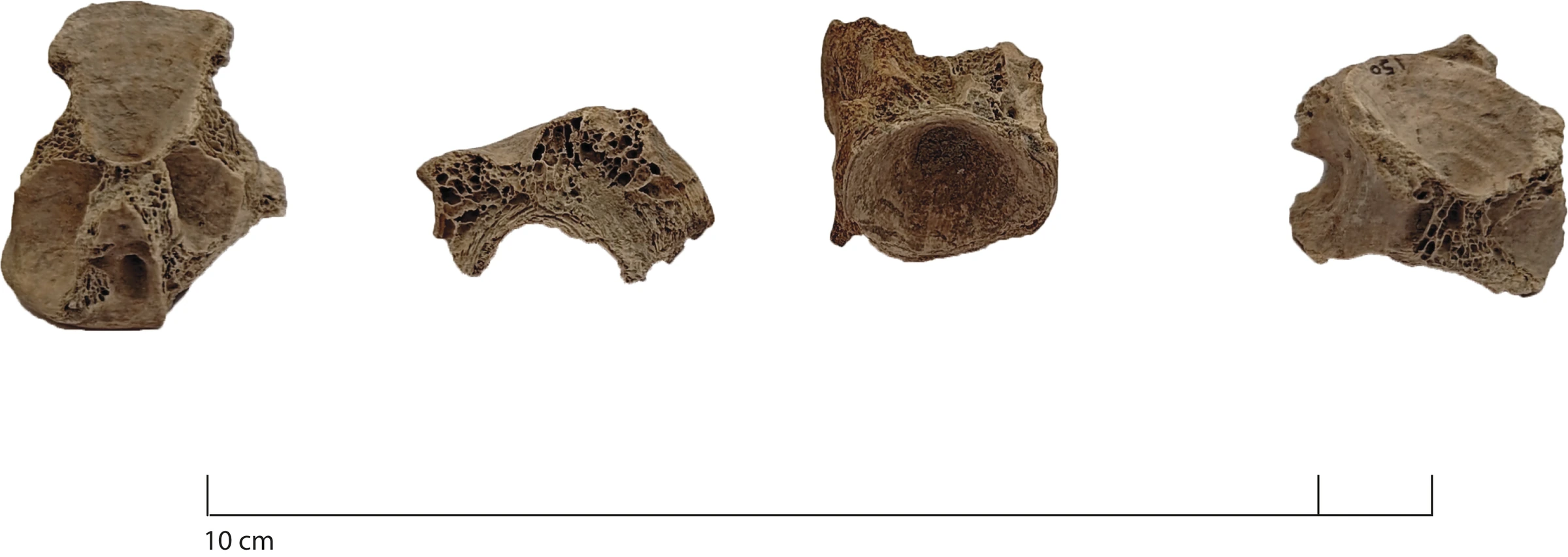
    Four tuna vertebrae bearing cut marks, with a 10 cm scale.

    Tuna vertebrae showing different cut marks.

    Enlarge image
    View study

03 / Other corpora

Other archaeoichthyological studies

  • Tour de l’Acapte — Hyères

    22 fish remains

    Archaeozoological study including fish remains: 18 remains identified anatomically and 6 taxonomically. The corpus was hand-collected, without sieving. This recovery method can limit the visibility of small remains; it is not, on its own, sufficient to explain the representation of fish.

    View reference
  • Allemagne-en-Provence — Notre-Dame

    91 fish remains

    Examination of the fish remains highlights differential preservation. It illustrates the methodological value of recovering small remains and using appropriate sieve mesh sizes.

    Microscopic plate showing different anatomical elements, scales and fin rays, with millimetre scales.

    Differential preservation of fish remains.

    Enlarge image
  • Château de Peyrepertuse

    27 fish remains

    Study of fish remains within a broader faunal corpus examined by several specialists. The number shown refers only to the fish remains studied by Tatiana ANDRÉ.

    View reference

04 / Advice & sharing methods

Methodological advice & team support

Experience Supporting Teams

Sampling, sieving & sediment sorting

  • Château d’Hyères

    Advice and support on sampling, sieving and the recovery of small fish remains.

  • Milhaud 7 · Base navale de Toulon

    Advice and on-site support on sampling and the recovery of remains.

  • Saint-Maximin-la-Sainte-Baume — Couvent royal

    Recommendations on sampling and sieving.

  • Rue Renaude, Fréjus

    Methodological advice on the sampling strategy and sediment sorting during the 2022 excavation.

Expertise on fishing practices

Sharing practical methods

University placements and practical training in archaeoichthyology

As part of my university work, I have supervised several practical placements in archaeoichthyology and sediment sorting. These sessions introduce students to sampling, sieving and sorting methods, and to recognising the main types of fish remains.

The aim is to help them detect remains that are often very small, adapt recovery protocols to archaeological research questions and understand how these methodological choices affect the quality of the resulting data.

This experience of sharing practical methods builds on my research and fieldwork, and now informs the methodological advice and team support offered through ARCHÉOPOISSON.

  • Place de l’Olivier · Marignane

    During university placements, I trained students in sediment sorting and the recognition of fish remains. One former student, who subsequently worked on the excavation at Place de l’Olivier in Marignane, was then able to identify fish remains during the excavation and apply the sampling, sieving and sorting methods he had learnt. This sharing of practical methods helped build the corpus that I later studied.

  • Centre archéologique du Var

    Introduced volunteers to sediment sorting and the recognition of fish bones, with practical support.

Introducing teams to sorting and recognising small remains helps them detect fish remains during fieldwork and reduces the loss of information.

Practical introductions for students, volunteers and field teams cover sediment sorting, the recognition of fish bones, sampling strategy and the choice of sieve mesh sizes.

International field experience

Caraburun, Jurilovca — Romania

Co-lead for archaeobiological sampling

Contributed to the sampling strategy, on-site sampling, rapid assessment, sieving and sorting of archaeobiological sediments within the Franco-Romanian mission at Caraburun, Jurilovca.